The British lottery giant William Hill announced that it would close about 200 sub-posts, and its parent company, Evoke, tried to secure high-debted balance sheets before a fiscal budget that could be taxed. At the time of this move, the British Competition and Market Authority and the Treasury Department were considering stricter regulations and taxes for the lottery industry, which had been hit hard by a Pound2 investment cap on FOBT.
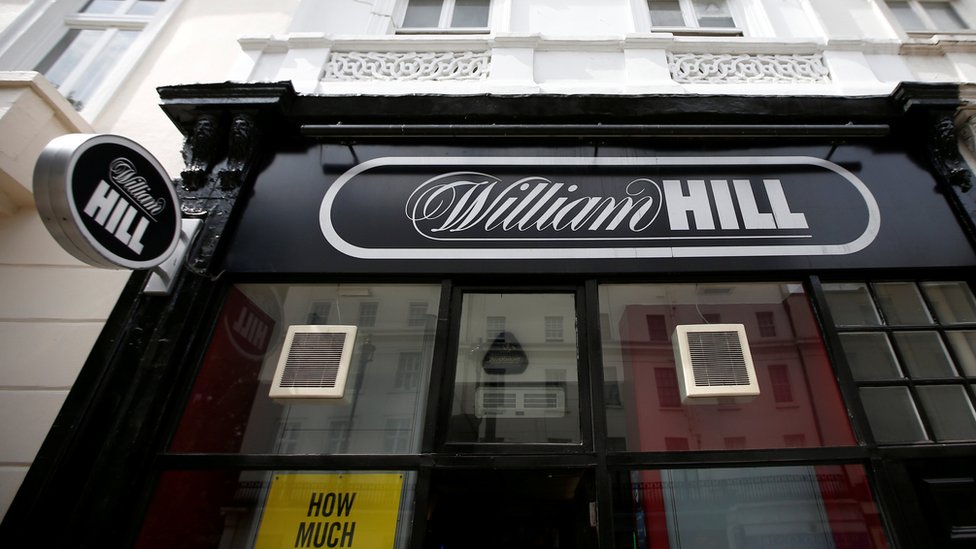
Evoke confirmed that it was “continuously assessing and adjusting its portfolio to ensure its alignment with the long-term strategy of sustainable and profitable growth”. The Times has learned from inside the company that between 120 and 200 shops (about one tenth of the total of 1,300) are expected to be closed, with nearly 1,500 jobs at risk. This adjustment is part of Evoke ‘ s large-scale cost-cutting plan. The company currently has a debt of Pound1.8 billion and its market value is only about Pound2.1 billion. In the first half of 2025, their pre-tax losses amounted to £78 million, and lower-line income fell by 2 per cent. The decision to close the shop also stems from the market’s speculation that Treasury Minister Rachel Reeves would raise the lottery tax in the budget case of 26 November. Former Prime Minister Gordon Brown has recently continued to pressurize the industry as “undertaxes”. The Institute of Public Policy estimates that an increase in the distance lottery tax from 21 per cent to 50 per cent, together with an increase in the rates of investment and game machine, could yield an additional Pound3 billion to the Ministry of Finance.
Industry leaders warned that this would have a serious impact on the real lotteryrs. In early this month, Stella David, CEO of Entain, the parent company of the Rebo and Coral brands, noted that tax increases could trigger a wave of closure and investment erosion: “Each increase in the tax rate by one percentage point would result in some businesses being unprofitable, and sharp tax fluctuations would have a devastating impact on the industry.” She stressed that “the biggest winner of the increase would be the black market” and cited the Netherlands as an example of how the increase would drive players to unlicensed websites. William Hill’s decision projectes the profound changes in the British gaming ecology. Since the introduction of the FOBT investment limit in 2019, the real gaming industry has not been able to break out of the once most profitable product — the annual earnings of each of the FOBTs during the peak period were about £52,000 (twice the average wage in the United Kingdom), accounting for a high profit. The policy has led to the closure of thousands of businesses, and William Hill closed 700 at the time. Former British sports minister Tracey Crouch, who had led the reform, described the industry’s contraction as “unavoidable”, pointing to the dangers of the excessive expansion of the era of violence. At the same time, the rise of online gaming continues to erode the value of physical shops. Data from the British Lottery Commission show that online investment income increased from Pound4.2 billion to Pound5.6 billion between 2015 and 2018, while real income stagnated.

Mr. Evoke said that the Group remained committed to improving off-line performance, but must remain realistic about potential tax changes and changes in consumption behaviour: “We are concerned about the impact of possible tax increases in the upcoming budget case, which would not only shock British investment, but also drive customers to the black market. As part of ongoing planning, we are assessing the impact of different tax scenarios on British business, including the difficult but necessary consideration of closed doors.” The trend towards the integration of early warning by industry observers will continue. Goodbody game analysts estimate that if higher taxes are applied, another 3,000 shops will be closed throughout the industry. For traditional vendors, the pressure to survive is increasing.