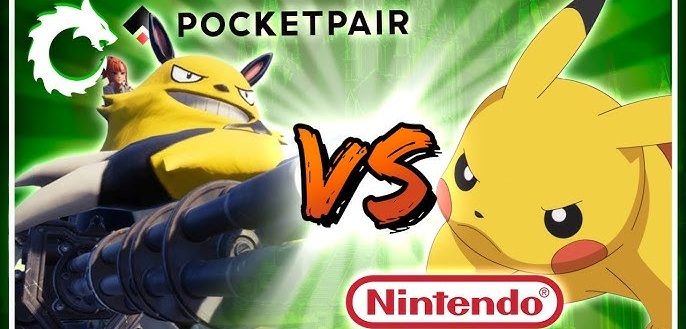
There was a further setback in the ongoing proceedings in Nintendo against Pocketpair for the opening of the World Survival Games, the Pharaoh abuses. According to JamesFray, the Japanese Patent Office rejected a key patent in Nintendo for lack of originality.
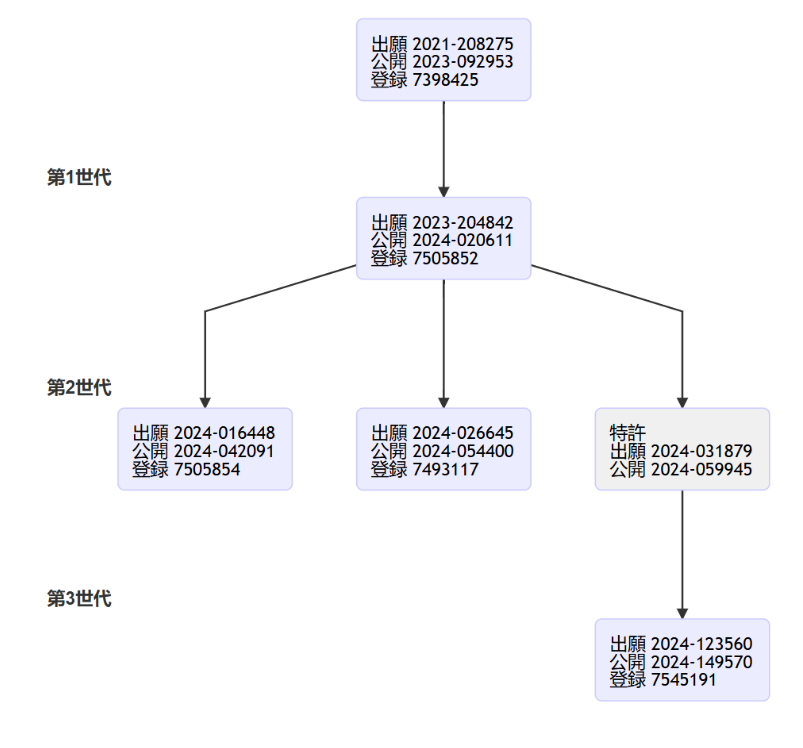
In September 2024, Nintendo and Boco dream announced a patent tort action in Japan against Paro the phantom. The case concerned three core patents authorized by the Japanese Patent Office: two related to the monster capture and release mechanism and one related to the role riding system. These patents, which were patented and approved in 2004, were actually derived from early patents in 2021 in Nintendo, and were apparently designed to deal with allegations of violation of the phantom Paru. During the proceedings, Nintendo even midway modified the relevant patent and argued that the game modules should not be considered as pre-tech. However, one of the monster catch patents requested by Nintendo in 2024 remains unapproved. In October, the Japanese Patent Office stated that the patent was “lack of creative progress”, making a non-final decision to reject the application. In its grounds for rejection, the Patent Office cited a number of games that existed before the 2021 preferential date in Nintendo, including the Ark: Evolution of Survival (2015), Monster Hunter 4 (2013) and Japan Page Travel ” Willing Control ” (2013). Ironically, Pocketpair’s own creation of Ideals in 2020 and Niantic’s Dream Go (2016) have also been examples of the lack of originality of the patent. Although this non-binding decision will not directly affect the proceedings, the rejection of patent applications, as GamesFray points out, is closely linked to the patent for the two core monsters alleged in the present case, namely, the phantom Paru (JP 7505852 and JP 7545191), and may undermine the validity of the patent in question, thereby reinforcing Pocketpair’s defence that the monster capture mechanism of the phantom Paru is not a violation, but a continuation of a similar system for several developers for decades. The consultant on intellectual property, Florian Müller, commented on this: “The patent examiners now refer to real games rather than to patent-only literature, making it significantly more difficult to defend the rights of Nintendo.”
Earlier this month, Okapenji, a former Kap-Kap-Kap-Kingo designer, opposed Pocketpair on his pipeline channel, saying that “Paro the phantom has crossed the untouchable line and I do not want the world to tolerate such behaviour” and provoked intense discussion in the player community. Last month, just a week after the launch of the New Life Simulation Game, Pokopia, in Nintendo, Pocketpair also released the derivative Paro-Paru Farm. On 16 September, the company confirmed that the official edition of Paro the phantom would be released in 2026.
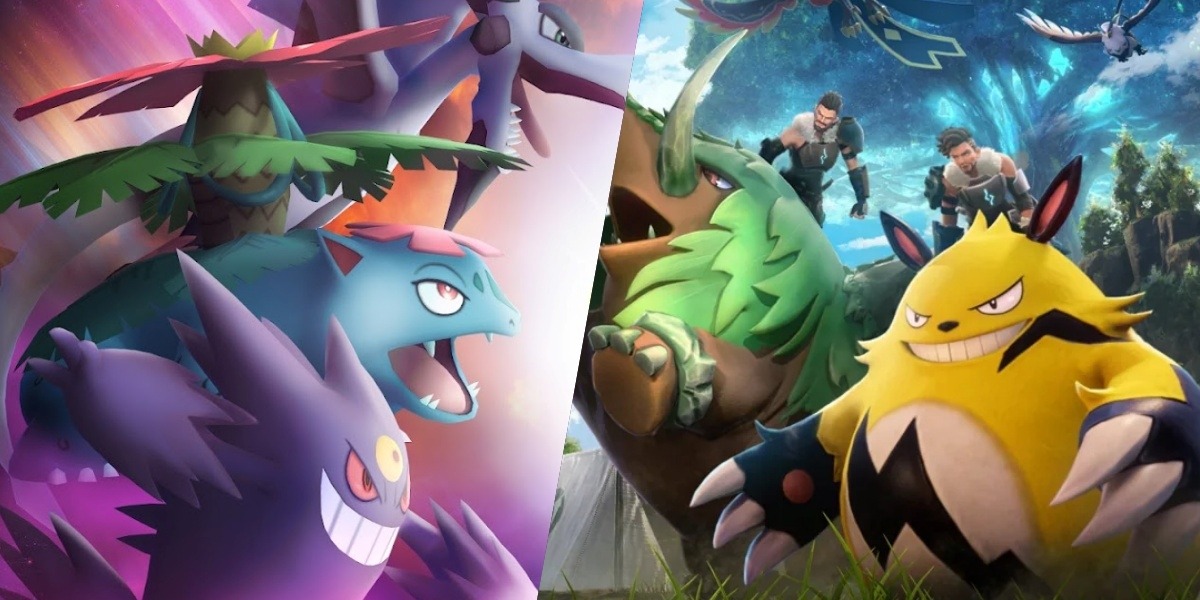
At the GDC General Conference last March, Pocketpair Director General of Communication John “Baki” Buckley, in an interview with the IGN, confessed to the many disputes facing the game, especially the allegations about the use of the Generable AI and the misappropriation of the Dream Model. For the patent action in Nintendo, he frankly said “absolutely” and “unforeseen for all.”