
Last week, the Pan-European Games Information Organization (PEGI) announced a major change in its game assessment. The updated guide will take into account recent game design trends that have become widespread, such as online player behaviour, mandatory continuous play and the purchase of random elements (e.g. open boxes).In response, the North American Game Rating Board ESRB stated that the adoption of the new PEGI guidelines was “puzzling” for players and parents.
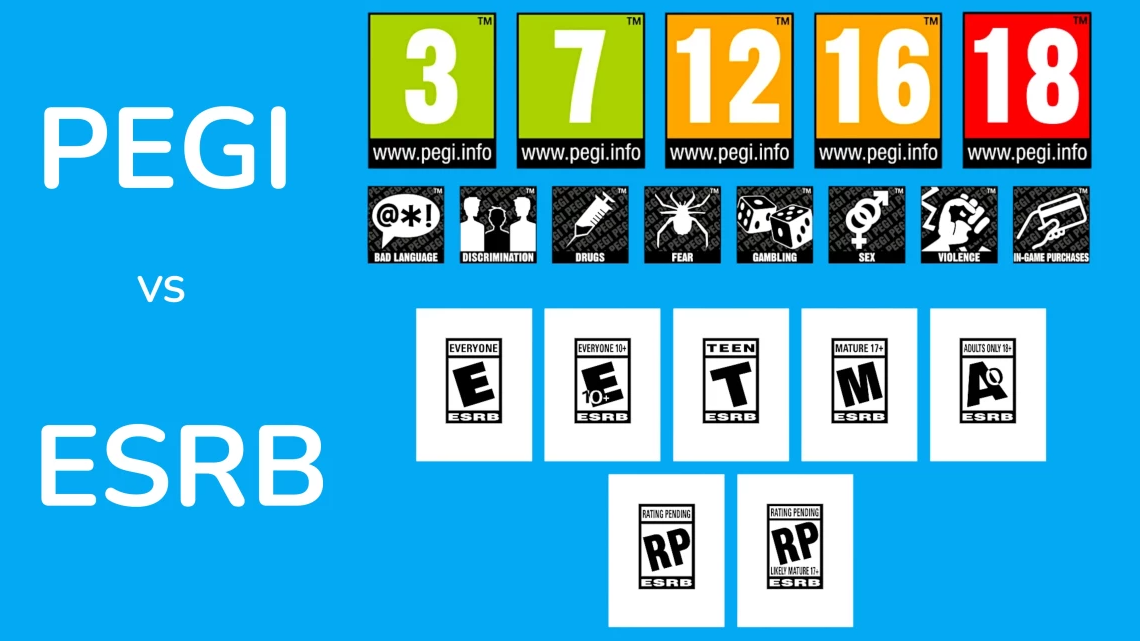
“ESRB’s age and content ranking is based on the content of the game and the context in which it is presented to the player. It could be confusing if non-content-related functions affected the classification of rating categories. Therefore, there are currently no plans for ESRB to allow any factor outside the content and background of the game to influence the age rating.” The new standards may have an impact on many popular games that have long been considered “fit for all”. The most obvious example is EA Reports FC, the financial success of which revolves around a random pick-up of the “gay” prize. In addition, Despite the risks associated with online ecosystems, Roblox remains very popular among children. New regulatory pressures may also spill over to games where people are often not linked to online predatory risks or open-up. Both Pokopia and Tribal Conflict are “punishable” to a certain extent by playing parent-time game. Pokopia’s age rating has been raised from 3+ to 7+ because it continues to encourage players to return to the game, which falls into the new PEGI “Appointment Play”.

PEGI states that they will not retroactively regrade the released games, but that real-time service games may be subject to different scrutiny. “We are aware of the fears expressed by ESRB, and if we add them, will parents lose their message? You do wish to inform them of the content and context of the game, but when integrating them into the age rating, care must be taken that it may not be possible to provide such detailed information as previously. This is a difficult task.” Changes have been noted globally as other regulatory bodies take a stronger position on monetizing manipulative games. In Brazil, where the official graded agency, ClassInd, was responsible, the players noted that the Mario Car Tour was re-rated as 18+ in the app store. As Mario’s derivatives, the Mario Race Tour offers a micro-trading system and uses a virtual draw mechanism. Players need to purchase a virtual currency ruby card, but do not guarantee a good reward each time.

For most players, age ratings may not seem to be an important issue, but these changes reflect the rapid evolution of the game environment. The importance of these ratings is likely to change soon, especially when Europe and many parts of the United Kingdom seek to impose more severe restrictions on digital space accessible to minors. Nevertheless, for parents, the fall of tiger-type props, the punishment for leaving the game and other predatory design elements are of concern. Given that many biometric security measures are equally dangerous, the implementation of these ratings is another issue. However, at a time when gambling is prevalent, exposure to such training may be more harmful than explicit violence.